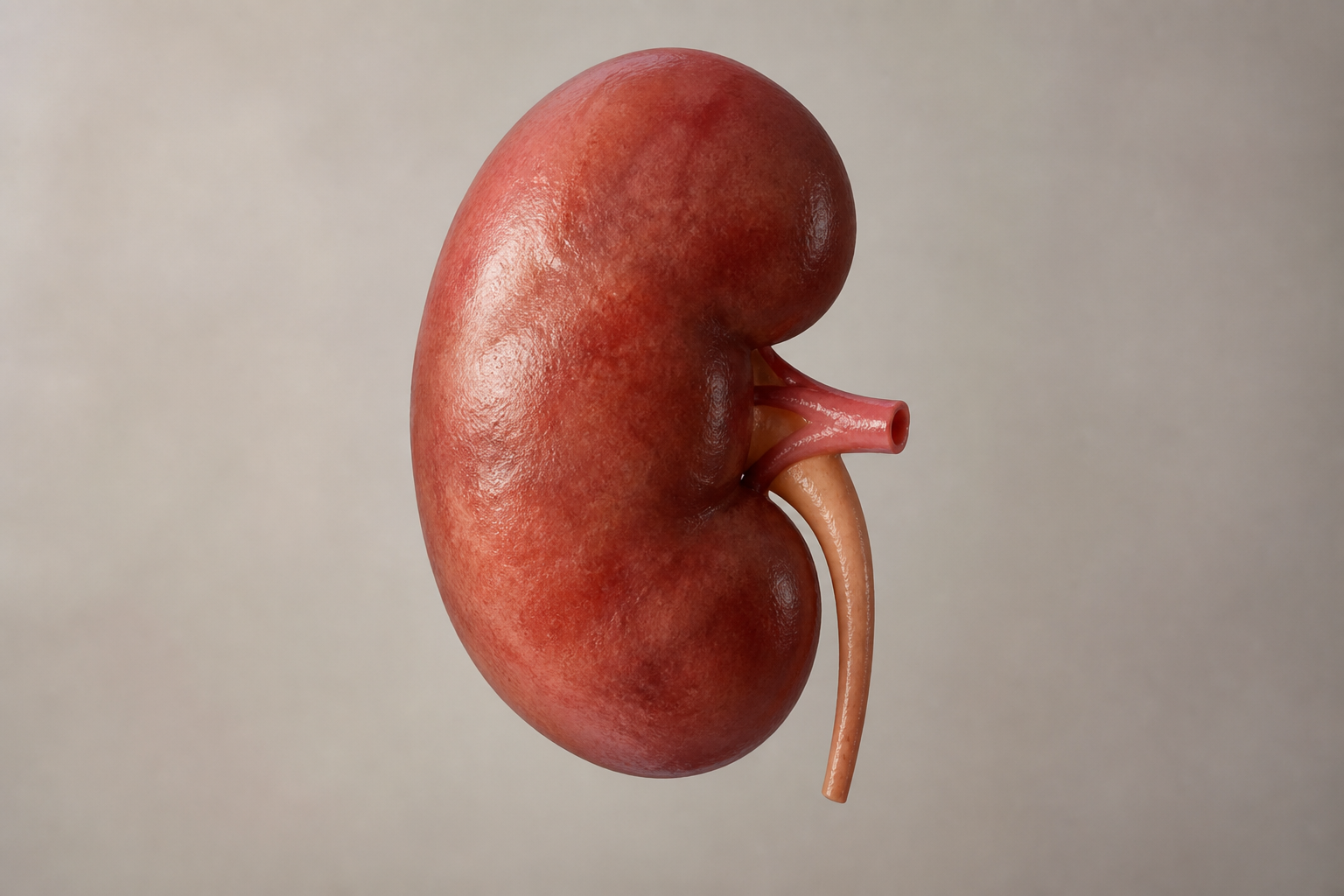
Regulate Fluids
Your kidneys constantly balance how much water stays in your body and how much leaves as urine. They respond in real time to what you drink, what you eat, especially salt, your blood pressure, and even hormones that signal when you are dehydrated. When kidney function declines, this balance becomes less precise. Fluid can build up in the legs, abdomen, or lungs, leading to swelling, weight gain, shortness of breath, or higher blood pressure. Modern kidney care focuses on individualized fluid management, including monitoring weight trends, adjusting sodium intake, using medications like diuretics when appropriate, and in advanced cases, dialysis to remove excess fluid. The goal is not simply less fluid, but the right amount for your body to function comfortably and safely.
Adjust Electrolytes & Acids
Electrolytes such as potassium, sodium, calcium, and phosphorus are tiny charged particles that allow your heart to beat, your muscles to move, and your nerves to send signals. Your kidneys fine-tune these levels every minute. They also remove extra acid that forms naturally from your diet and metabolism. In chronic kidney disease (CKD), potassium may rise to dangerous levels, phosphorus can build up, and acid can accumulate in the blood, called metabolic acidosis. Over time, these imbalances can affect the heart, bones, and muscles. Today, we manage this with a combination of personalized nutrition plans, often more plant-forward and less processed food, medications such as potassium binders or phosphate binders, and sometimes bicarbonate therapy. Regular lab monitoring allows early correction before symptoms develop.
Activate Vitamin D
Vitamin D is essential for strong bones, healthy muscles, and proper immune function. However, the vitamin D you get from sunlight or food is inactive. Your kidneys convert it into its active form so your body can absorb calcium correctly and keep parathyroid hormone (PTH) in balance. When kidneys are not working well, active vitamin D levels fall, which can lead to bone weakness and changes in mineral balance, a condition known as CKD-mineral and bone disorder. Modern treatment may include nutritional vitamin D supplements, and in selected cases, active vitamin D medications. Care is individualized to avoid excess calcium or phosphorus, both of which can affect blood vessels and the heart.
Build Red Blood Cells
Healthy kidneys produce erythropoietin (EPO), a hormone that tells your bone marrow to make red blood cells. These cells carry oxygen throughout your body. In CKD, reduced EPO production can lead to anemia. Anemia may cause fatigue, reduced exercise tolerance, shortness of breath, difficulty concentrating, or feeling unusually cold. Today, anemia management is more precise than in the past. Treatment may include iron replacement, oral or intravenous, medications that stimulate red blood cell production, or newer therapies that help the body regulate oxygen sensing. The aim is to improve symptoms and quality of life while carefully avoiding risks associated with overtreatment.
Control Blood Pressure
Your kidneys are central to blood pressure control. They regulate fluid volume and produce hormones that affect how tightly your blood vessels constrict. When kidneys are damaged, blood pressure often rises, and high blood pressure can further damage the kidneys. This creates a cycle that must be interrupted early. Modern kidney care emphasizes comprehensive risk reduction: lifestyle changes, including exercise and thoughtful sodium intake, medications such as ACE inhibitors or ARBs to protect kidney function, and newer therapies like SGLT2 inhibitors that benefit both the heart and kidneys. Care is individualized, with attention not only to numbers, but also to overall cardiovascular health and long-term kidney protection.